
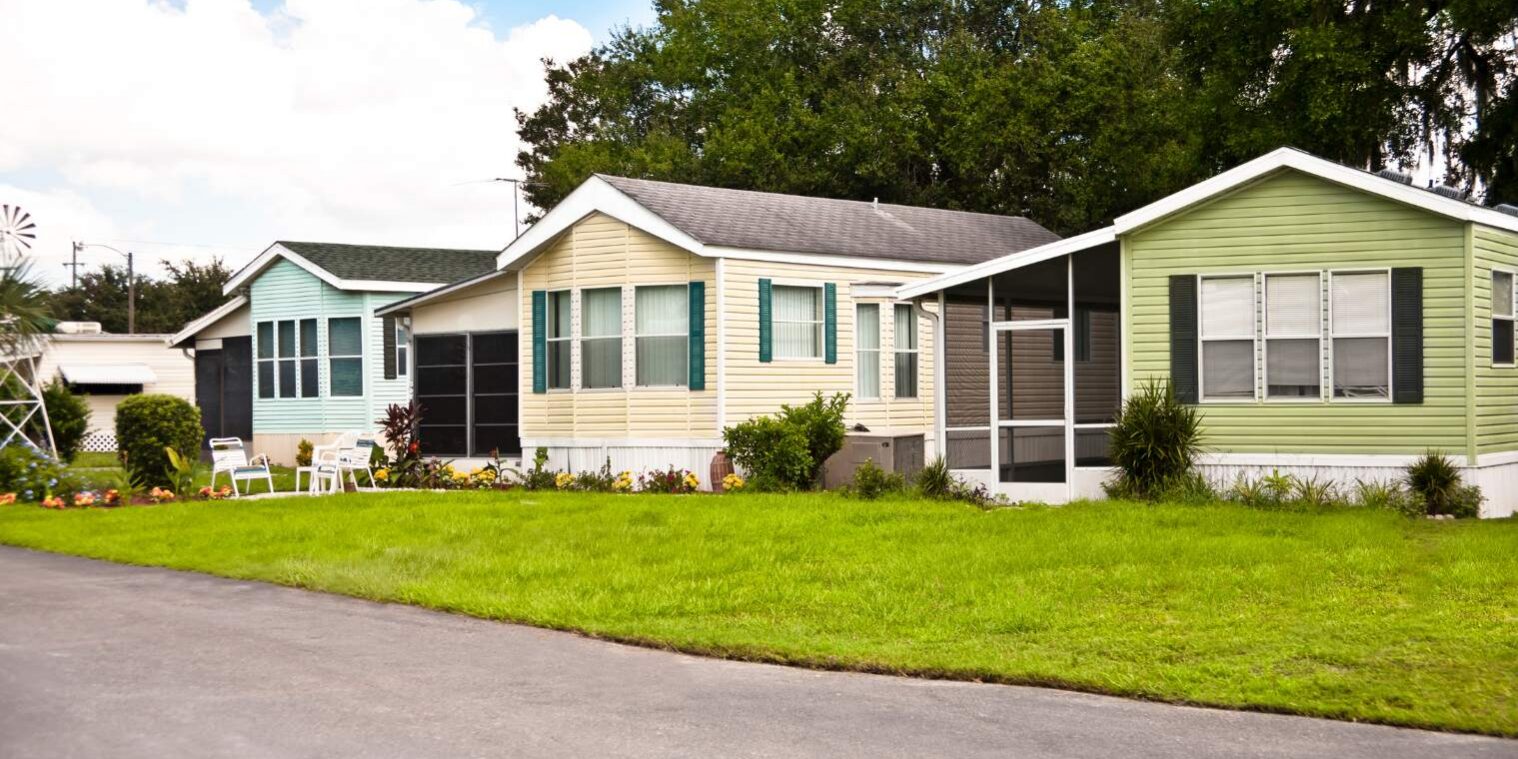
The #1 filter everyone has when it comes to buying a house is cost. (Yes, even when buying Modulars, they’re no different 🤦) So if you’re actually thinking about getting yourself a Modular home, you’re definitely wondering: “What’s it going to run me?”
Well there’s bad news, then good news, the more good news.
First off Modular homes aren’t anywhere close to free to build, and you can lose a little bit of customizability when it comes to prefabricated / Modular. But not only do you get an overall cheaper price due to its factory style production, but cost estimates are much more consistent due to how controlled its build is.
But enough abstract info, lets find out what it’s going to cost YOU.
Table of Contents
- Average Cost of a Modular Home in Charleston SC (And Why It Sits There)
- Cost Indicators Based on Desired Home Size
- Cost Indicators Based on Location in the Lowcountry
- What Affects Modular Home Costs (And When Prices Go Up)
Average Cost of a Modular Home in Charleston SC (And Why It Sits There)
In the Charleston / Lowcountry area, most modular homes land somewhere in the range of:
- $150 – $250 per square foot (base + typical finishes)
That means:
- 1,500 sq ft home → ~$225,000 – $375,000
- 2,000 sq ft home → ~$300,000 – $500,000
Now here’s the part most people miss:
That number isn’t random. It’s driven by a few key advantages of prefabricated / modular home building:
- Controlled factory construction (less waste, fewer delays)
- Faster build timelines (less labor cost stacking up)
- More predictable material usage
That’s why modular homes often come in more stable than traditional builds.
But that base price does not include everything.
Things like land prep, utilities, and site work can shift your total cost significantly. That’s where most budgets get stretched.
Modular Home Cost Indicators Based on Desired Home Size
Size is one of the most straightforward ways to estimate your cost.
Here’s the general rule:
👉 More square footage = lower cost per square foot (slightly)
👉 But higher total cost overall
Why?
Because fixed costs (design, setup, transport) get spread across more space.
Example:
- 1,200 sq ft home → higher cost per sq ft
- 2,400 sq ft home → lower cost per sq ft, but higher total build cost
Also consider layout efficiency.
A simple rectangular home:
- easier to manufacture
- easier to install
- cheaper overall
A complex layout with:
- multiple rooflines
- custom additions
- unique shapes
👉 will increase cost faster than just adding square footage
If you’re trying to stay within budget, simplicity beats size every time.
Cost Indicators Based on Location in the Lowcountry
Where you build in the Lowcountry matters just as much as what you build.
Here’s how location affects your modular home cost:
1. Site prep difficulty
- Flat, cleared lot → cheaper
- Sloped, wooded, or unstable soil → more expensive
2. Flood zones & elevation requirements
In Charleston, this is a big one.
If your lot requires:
- elevation
- additional foundation work
- flood compliance
👉 your costs will increase
3. Utilities access
If your land already has:
- water
- sewer
- power
You’re in good shape. If not, running utilities can add thousands to your project
4. Distance from factory / delivery logistics
Modular homes are built off-site and delivered. The farther your build site is the more transport and setup can cost.
In short:
👉 Two identical modular homes can have very different final costs based purely on location.
What Affects Modular Home Costs (And When Prices Go Up)
If you’re trying to plan ahead, this is the section that matters most.
Here’s what actually moves pricing over time:
1. Material costs
Lumber, steel, and other materials fluctuate. When they rise, build costs rise
2. Demand in the Charleston market
Charleston is growing.
More demand =
- more builds
- more labor competition
- higher prices
3. Customization level
The more you customize:
- finishes
- layout
- features
👉 the further you move away from “standard pricing”
4. Timing of your build
Certain times of year (spring and early summer especially):
- higher demand
- tighter schedules
- less flexibility
Planning ahead gives you more control over cost.
Final Thought
If after that you’re still having a hard time making plans for what the build might cost (or want to skip the hassle), feel free to reach out here, and we can get a specific number going for you.