A Guide to Modular Home Building in Charleston SC
If you’ve been researching about building a home in the Lowcountry area, you’ve probably come across the idea of modular home building.
For many buyers, modular homes raise immediate questions:
- Are modular homes a good investment?
- What are the advantages of modular homes?
- Why do some banks hesitate with modular construction?
- Are there downsides to modular homes?
In reality, modular homes have become one of the most practical ways to build in the Charleston area, especially as land prices and construction costs continue to rise.
When done correctly, modular homes combine efficient construction, modern design, and long-term property value, which is why more buyers in Charleston and the surrounding Lowcountry are considering them.
Table of Contents
- What Modular Home Building Actually Means
- Advantages of Modular Homes
- Addressing Common Concerns About Modular Homes
- Why Some Banks Hesitate With Modular Home Building
- Why Modular Homes Work Well in the Lowcountry
- Are Modular Homes a Good Investment Right Now?
- Taking the First Step Toward Building a Modular Home
What Modular Home Building Actually Means
Before discussing the investment side, I’ve got to explain what a modular home actually is. A modular home is built in sections inside a factory and then transported to the property where it is put together on a permanent foundation.
The key difference is where the construction happens. Instead of building everything outdoors over many months, much of the home is built in a controlled indoor environment and then finished on site.
For Charleston buyers, this approach offers several important advantages.
Advantages of Modular Homes
One reason modular home building is gaining popularity in the Lowcountry is the efficiency of the process.
Faster Construction
Traditional home construction in Charleston can take 9–12 months or more, especially with weather delays.
Modular homes reduce build time significantly because major portions of the home are built indoors while site work is happening at the same time.
Quality Control
Because modules are built inside a factory, construction is protected from weather damage and material exposure.
This often results in consistent building quality and tighter construction standards.
Cost Predictability
One of the biggest advantages of modular homes is price transparency.
Traditional construction rarely delivers on keeping the cost estimate and reality consistent.. Modular projects tend to have more predictable pricing because much of the home is built in a controlled process.
Energy Efficiency
Many modular homes are built to high efficiency standards, including better insulation and tighter construction.
In the Lowcountry climate, that can mean lower AC costs during hot Charleston summers.
Addressing Common Concerns About Modular Home Building
While modular homes offer many advantages, buyers still hold back.
Some people worry about resale value, financing options, and long-term durability.
These concerns often come from confusion between modular homes and manufactured homes.
Manufactured homes (sometimes called mobile homes) are built to different standards and are not permanently attached to land in the same way.
Modular homes, on the other hand, are built to local building codes and installed on permanent foundations just like traditional houses.
The key difference is, once a modular home is finished, it’s hard to tell the difference between it and a traditional home.
Why Some Banks Hesitate With Modular Home Building
Another common question people ask is why banks seem to dislike modular homes. In most cases, the hesitation isn’t about the home itself. It’s about the construction financing process. The staged factory production and transportation that modular homes require, mean lenders need familiarity with modular construction loans, something many banks don’t have lots of.
The good news is that in markets like Charleston, more lenders are becoming comfortable with modular projects as the demand grows. Working with an experienced builder who understands the process can make financing much smoother too.
Why Modular Homes Work Well in the Lowcountry
The Charleston and Lowcountry region presents unique building challenges. Homes must handle humidity, storms, coastal weather, rising construction costs, and high demand for housing.
Modular construction helps address almost all of these factors.
Because homes are built in a controlled environment and assembled efficiently, buyers can often build faster and avoid many delays common with traditional construction. For buyers who want a custom home but also want predictability in the building process, modular homes offer the perfect balance.
Are Modular Homes a Good Investment Right Now?
For many buyers in the Charleston area, the answer is yes. As land prices increase and traditional construction timelines grow longer, modular home building provides a way out of the growing labyrinth that is construction. Allowing you to build a quality home with more control over cost and timeline.
In many cases, modular homes allow buyers to build on desirable land in the Lowcountry without the uncertainty that often comes with large custom builds. When properly designed and installed, modular homes can offer the same long-term value and livability as traditional houses.
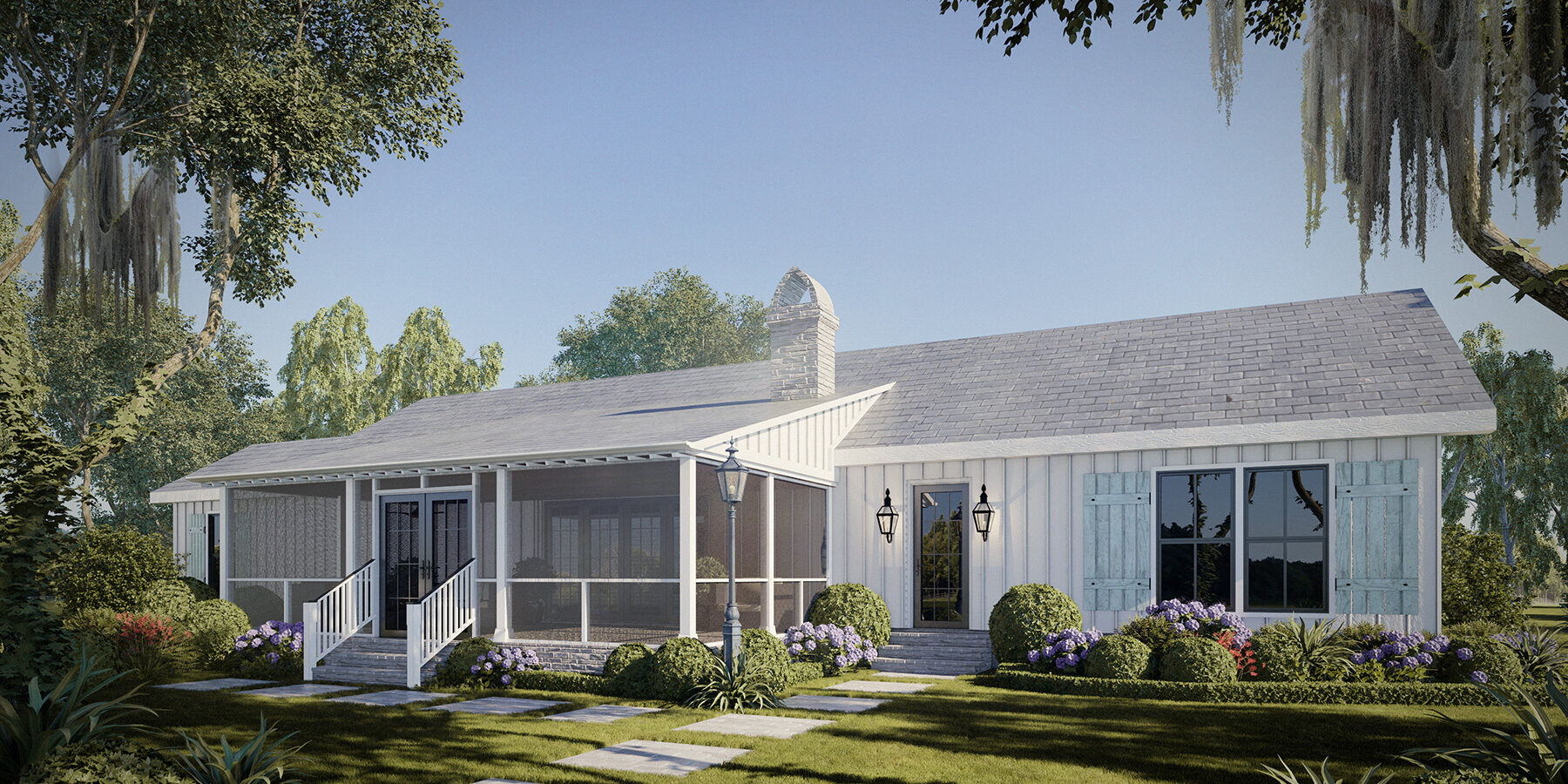
To See What It Could Look Like For You 👇
Houses and properties are possibly the biggest investments you could make.
The key is choosing a building approach that fits your budget, timeline, and long-term plans.
If you’re thinking a Modular Home might be what you’re looking for in the Charleston SC area.
Then shoot me a message and we can see if a Modular home is what you’re looking for.