If you’ve looked into building a home anywhere around Charleston or the Lowcountry, you’ve probably seen modular homes come up at least once. And depending on who you ask, modular homes are either the smartest way to build a house today or glorified trailers waiting to fall apart. The issues with modular homes?
The truth is somewhere in the middle.
Modular homes absolutely have downsides. There are situations where they may not make sense. And yes, some people jump into modular home projects without fully understanding what they’re actually buying.
But a lot of the criticism around modular homes also comes from outdated assumptions.
This guide breaks down the real flaws, concerns, and tradeoffs with modular homes in Charleston and the Lowcountry, without pretending they’re perfect, but also without pretending they’re disasters either.
Table of Contents
- What a Modular Home Fundamentally Is
- Site and Foundation Concerns in the Lowcountry
- Customization Limits With Modular Homes
- You’ll Pay More Than Just the Base Price
- Financing Differences Compared to Traditional Homes
- So… Are Modular Homes Actually Worth It?
What a Modular Home Fundamentally Is
The first thing homeowners need to understand is this:
A modular home is not the same thing as a mobile home.
A modular home is a permanent house built in sections inside a controlled factory environment, then transported and assembled on-site.
That’s why you’ll also hear terms like:
- pre-fabricated home
- prefab home
- factory-built home
The important part: Once completed, modular homes are typically treated like traditional site-built homes.
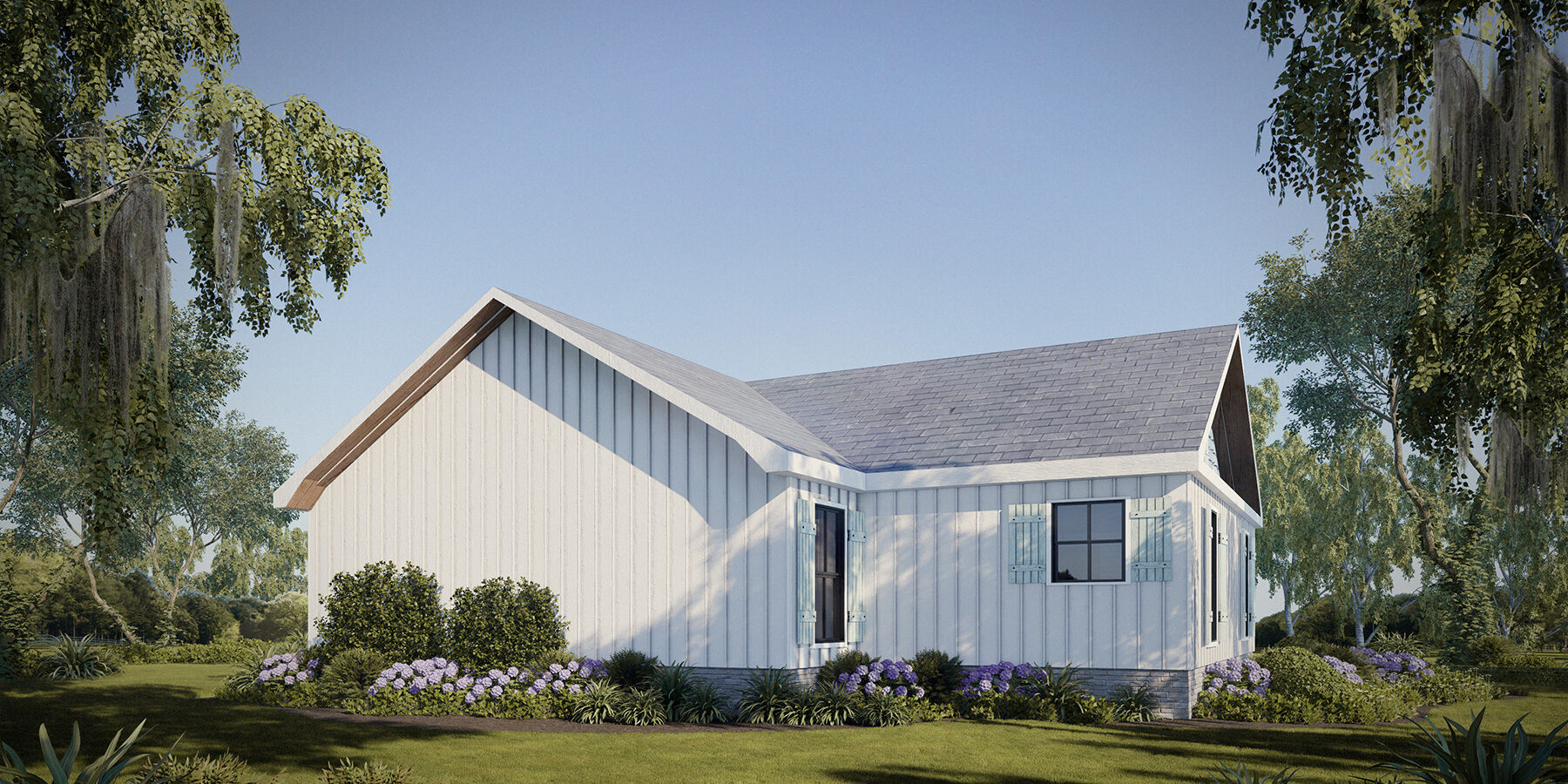
They sit on permanent foundations, follow building codes, and can look nearly identical to conventional houses.
That said, the factory-built process does create some tradeoffs.
Because parts of the home are transported in sections, there are:
- size limitations
- transport limitations
- assembly considerations
And those realities affect design flexibility and site logistics.
Site and Foundation Concerns in the Lowcountry
This is one of the biggest things Charleston-area homeowners underestimate.
The modular home itself may have a stable base price…
…but the site work is where costs can start moving fast.
Especially in the Lowcountry.
Here, you’re often dealing with:
- flood zones
- soft soil
- elevation requirements
- drainage concerns
- tight lot access
And modular homes still need all the same foundational preparation as traditional homes.
That includes:
- grading
- utility setup
- foundation work
- permits
- clearing land
If your lot is difficult to access or requires special elevation work, transport and installation become more complicated too.
For example:
A beautiful wooded lot in the Charleston area may sound ideal until large modular sections actually need to reach the property.
That doesn’t mean modular homes are bad.
It just means:
The advertised base price is rarely the final number.
Customization Limits With Modular Homes
One criticism that’s partially true: Modular homes can be less customizable than fully custom site-built homes.
Now, modern modular homes are significantly more flexible than they used to be. You can still customize:
- layouts
- finishes
- kitchens
- flooring
- exterior styles
- porches
- rooflines
But there are still practical limits.
Because the home is built in sections:
- certain layouts are easier than others
- extremely unusual architecture becomes harder
- hyper-custom designs may cost more quickly
This matters for buyers chasing very specific luxury or architectural visions.
If your dream home looks like a one-of-a-kind Pinterest mansion with impossible angles and massive custom engineering…
modular may not be the cleanest path.
But for most homeowners?
Modern modular homes offer far more design flexibility than people expect.
You’ll Pay More Than Just the Base Price
This is probably the biggest misunderstanding in modular home marketing.
People see:
“Modular homes starting at $___”
…and assume that’s close to the final number.
Usually, it isn’t.
Additional costs are almost certain, and may include:
- land preparation
- foundation work
- utility hookups
- permits
- transportation
- crane setup
- driveway work
- septic systems
- landscaping
And depending on the lot, those costs can become significant.
This is not unique to modular homes.
Traditional builds deal with many of the same expenses.
The difference is that modular home pricing often feels more “packaged,” which can accidentally make buyers underestimate everything surrounding the house itself.
That’s why transparency matters so much when planning your budget.
Financing Differences Compared to Traditional Homes
Another thing some buyers do not expect:
Financing modular homes can sometimes work differently than traditional builds.
The good news:
Modular homes generally qualify for standard mortgages once completed.
The catch:
The construction process may involve:
- construction loans
- staged financing
- land financing coordination
- lender requirements specific to modular builds
Some lenders are extremely comfortable with modular homes.
Others are less familiar with them.
That’s why working with experienced builders and lenders matters, especially in South Carolina.
The smoother the coordination is upfront, the fewer surprises happen later.
So… Are Modular Homes Actually Worth It?
Honestly? For many Lowcountry homeowners, yes.
Especially for people who value:
- faster build timelines
- more predictable construction
- controlled factory quality
- simplified building processes
Modular homes are not “cheap shortcuts.” And they’re not magic either. They’re simply a different way to build. The key is understanding the tradeoffs honestly before jumping in.
Because the homeowners happiest with modular homes are usually the ones who:
- understand the process
- budget realistically
- choose the right lot
- and work with builders who explain things clearly upfront
That’s what creates confidence during the build instead of stress halfway through it.
Thinking about Modular?
If you’re wondering what a modular home would realistically look like for you and your situation in the Lowcountry, get in touch here and we’ll help lay out a clear picture of what’s possible.